


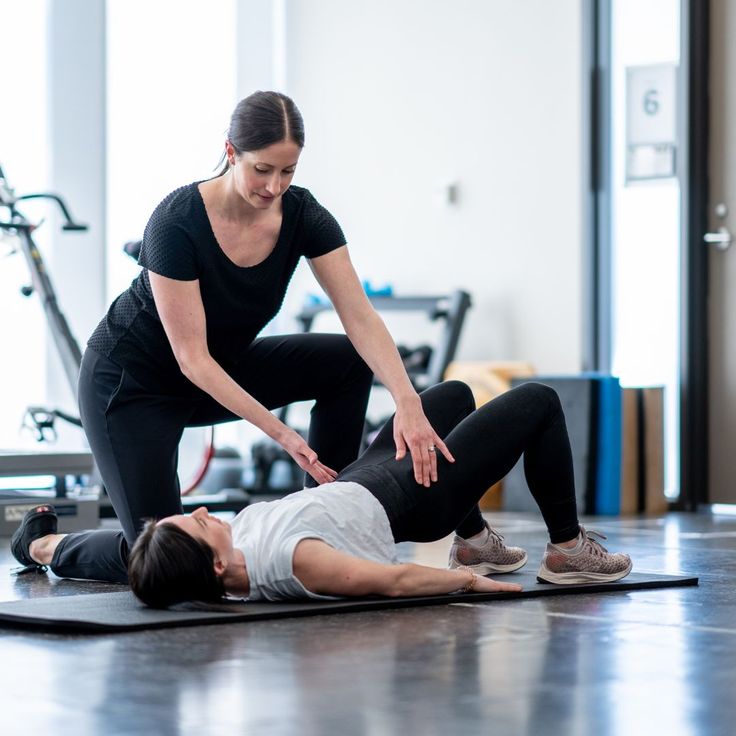
Pelvic floor therapy is a specialized rehabilitation method focused on improving the strength, coordination, and relaxation of the pelvic floor muscles. These muscles form the foundation of the pelvis and are responsible for supporting the bladder, bowel, and reproductive organs. They also play a major role in core stability, posture, and control over urinary and bowel functions.
When these muscles become weak, tight, or uncoordinated, individuals may experience issues such as urinary leakage, pelvic pain, heaviness, or reduced physical confidence. The pelvic floor therapy
provides a structured way to restore normal function and improve overall quality of life.
Understanding the Pelvic Floor System
The pelvic floor is made up of layers of muscles and connective tissues that stretch like a supportive sling across the base of the pelvis. These muscles must remain both strong and flexible to function properly.
Their key roles include:
- Supporting internal organs
- Controlling bladder and bowel movements
- Stabilizing the lower back and core
- Assisting sexual function and comfort
When this system is disrupted, even simple daily activities like walking, coughing, or lifting can become uncomfortable.
What Is Pelvic Floor Therapy?
Pelvic floor therapy is a treatment program designed to rehabilitate these muscles through guided physical techniques. It is usually conducted by a trained pelvic health physiotherapist who tailors treatment based on the patient’s specific condition.
The therapy focuses on restoring balance by addressing both weakness and excessive tension in the muscles.
A typical program may include:
- Targeted pelvic floor exercises
- Manual therapy techniques
- Biofeedback training
- Electrical stimulation (when needed)
- Breathing and posture correction
Conditions Treated with Pelvic Floor Therapy
Pelvic floor therapy is used to manage a wide range of conditions affecting both men and women.
Urinary Incontinence
Helps reduce or eliminate involuntary urine leakage caused by weak pelvic muscles.
Pelvic Pain Disorders
Relieves chronic pain caused by muscle tightness, nerve irritation, or dysfunction.
Pelvic Organ Prolapse
Strengthens supporting structures to reduce pressure and improve organ positioning.
Postpartum Recovery
Supports healing and strengthens muscles after childbirth.
Post-Surgical Rehabilitation
Assists recovery after procedures involving the pelvic or abdominal region.
Bowel Dysfunction
Improves control over bowel movements and reduces straining issues.
How Pelvic Floor Therapy Works
Pelvic floor therapy begins with a detailed assessment of symptoms, lifestyle factors, and muscle function. The physiotherapist evaluates how well the pelvic muscles contract and relax.
Based on this evaluation, a personalized treatment plan is created.
The therapy process often includes:
- Learning how to properly identify pelvic muscles
- Practicing controlled contraction and relaxation
- Performing guided strengthening exercises
- Improving breathing and core coordination
- Monitoring progress over time
Key Techniques Used in Therapy
Pelvic Floor Exercises
These exercises strengthen weak muscles or help relax overly tight muscles depending on the condition.
Manual Therapy
Hands-on techniques are used to release muscle tension and improve flexibility.
Biofeedback Training
Sensors provide visual or auditory feedback to help patients understand muscle activity.
Electrical Stimulation
Gentle electrical impulses may be used to activate muscles that are difficult to engage voluntarily.
Breathing and Posture Training
Correct breathing patterns and posture help reduce strain on the pelvic floor and improve coordination.
Benefits of Pelvic Floor Therapy
Pelvic floor therapy offers several long-term benefits:
Improved Bladder Control
Reduces leakage and improves urinary function.
Reduced Pain and Discomfort
Helps relieve tightness and chronic pelvic pain.
Stronger Core Stability
Enhances posture, balance, and overall physical strength.
Better Postpartum Recovery
Supports faster and more complete healing after childbirth.
Increased Confidence
Improved pelvic control leads to greater comfort in daily activities.
Who Should Consider Pelvic Floor Therapy?
Pelvic floor therapy is suitable for a wide range of individuals, including:
- Women after childbirth
- Men and women with urinary incontinence
- Individuals experiencing pelvic pain
- People recovering from pelvic surgery
- Older adults with muscle weakness
- Individuals with bowel control issues
It is effective for both mild and severe conditions.
What to Expect During Treatment
Pelvic floor therapy sessions are typically calm and supportive. Patients are guided step by step to ensure proper technique and comfort.
Treatment may include in-clinic sessions combined with home exercises. Patients are encouraged to practice regularly to achieve the best results.
Progress is usually gradual, with noticeable improvements occurring over weeks or months depending on the condition.
Safety and Professional Guidance
Pelvic floor therapy is safe when performed under the supervision of a trained professional. However, correct technique is essential for effective results.
Patients should communicate any discomfort during therapy so adjustments can be made to the treatment plan.
Final Thoughts
Pelvic floor therapy is a highly effective approach for restoring muscle strength, improving control, and reducing pelvic discomfort. It addresses a wide range of conditions and supports long-term pelvic health.
With consistent practice and professional guidance, pelvic floor therapy can significantly improve bladder control, core stability, and overall quality of life.
