


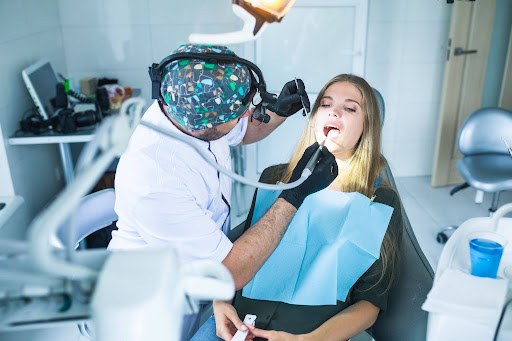
Dental pain never picks a convenient time. And there is no doubt it is always late at night on a Friday, during the weekend, or during a working trip abroad when your toothache gets really unbearable. If you have ever been lying in bed searching for an “emergency dentist Brighton” online at two o’clock in the morning, you perfectly understand what the stress of the search is like. Here at Lifestyle Smiles, it is one of the most frequent calls, and the good thing about Brighton is that the city has quite a variety of emergency dental services, even if you are not our patient yet.
Here’s our practical rundown of what actually counts as a dental emergency, where to turn in Brighton when it happens, and what helps in the meantime while you wait to be seen.
What Counts as a Genuine Dental Emergency
Not every twinge needs an out-of-hours callout, but certain symptoms shouldn’t be brushed off. We’d treat it as urgent if you’re dealing with:
- Severe tooth or jaw pain that painkillers barely touch
- A knocked-out or badly cracked tooth, especially after a fall or a knock during sport
- Facial swelling, particularly if it’s creeping toward your eye or down your neck
- Bleeding from the mouth that won’t stop
- A lost filling or crown causing sharp, sudden pain
- Fever alongside dental pain, or a visible abscess
One caveat worth repeating: if swelling is affecting your breathing or ability to swallow, that’s no longer a dental problem; it’s a hospital one. Get to A&E or call 999 directly.
Start With Your Own Dentist
If you’re already registered with us, or with another Brighton dentist, ring the practice first; even outside normal hours. Most of us leave an out-of-hours message on the answerphone pointing you toward an emergency contact or the right service to call. We, like many local practices, hold back same-day slots specifically for our own registered patients, so it’s worth trying this route before you look anywhere else.
NHS Urgent Dental Care
No regular dentist, or your own practice can’t fit you in? Call NHS 111. They’ll ask about your symptoms and, where it’s warranted, book you into urgent dental care at a local clinic. This runs both during and outside normal working hours, weekends included, and it exists precisely for people without an existing dentist or whose practice is shut.
Worth knowing: NHS emergency care is about getting you out of pain and stabilising the problem- an extraction, a temporary filling, draining an abscess- rather than sorting long-term or cosmetic work. Anything beyond that gets arranged as a separate follow-up once the crisis has passed.
Private Emergency Appointments
If waiting isn’t an option, or you’d rather have more choice over appointment times, we and several other private practices across the city keep emergency slots open; sometimes same-day, even evenings and weekends. It costs more than NHS care, generally, but you get shorter waits, more flexibility, and continuity with the same dentist for whatever follow-up comes next.
Before booking anywhere, it’s worth asking a few things upfront:
- Is this an actual same-day slot, or just the next available appointment?
- What does the emergency consultation cost, and does that include X-rays if you need them?
- Can they treat you there and then? Extraction, root canal, repair, or will you be referred on?
What Helps While You Wait
Whether you’re sitting on an NHS callback or waiting for your appointment with us, a few things make the wait more bearable:
- Take painkillers as directed. Ibuprofen and paracetamol generally work well for dental pain. Don’t place aspirin directly against the gum — it can burn the tissue.
- Rinse with warm salt water. It helps reduce inflammation and keeps the area clean, especially if there’s a cut or broken tooth involved.
- Use a cold compress. Holding something cold against your cheek near the sore spot can bring swelling down.
- Steer clear of extreme temperatures. Very hot or cold food and drink tends to make nerve pain worse.
- If a tooth’s been knocked out, keep it moist — back in the socket if you can manage it, otherwise tucked in your cheek or sitting in a bit of milk — and get to a dentist within 30 to 60 minutes. That window matters for saving the tooth.
Avoiding the Next Emergency
Once things have settled down, it’s worth thinking about how to avoid repeating the whole ordeal. Regular checkups catch the small stuff — a hairline crack, an early cavity, a filling working loose — long before it becomes a 2 am crisis. If you don’t currently have a Brighton dentist, we’d always recommend registering with one, even just for routine six-month checkups. It’s probably the single most effective thing you can do to cut your odds of needing urgent care again. We, like most practices in the city, take on both NHS and private patients, so cost or availability shouldn’t be a major barrier.
It’s also not a bad idea to keep a small dental kit at home — some gauze, painkillers, temporary filling material from the pharmacy, and your dentist’s out-of-hours number written down somewhere obvious. Having that ready means you’re not scrambling to work out what to do at 2 am.
The Bottom Line
Dental pain is never convenient, but Brighton has decent options for it: your own dentist’s out-of-hours line, NHS 111’s urgent dental service, or a private practice with same-day emergency appointments. Knowing which route fits your situation — and having a rough plan before you actually need it — makes a real difference when you’re in genuine pain. And once it’s over, treat it as the nudge to get registered somewhere, so the next one is far less likely to happen at all. If you’re not already one of our patients and want that peace of mind, we’re always happy to help.
