


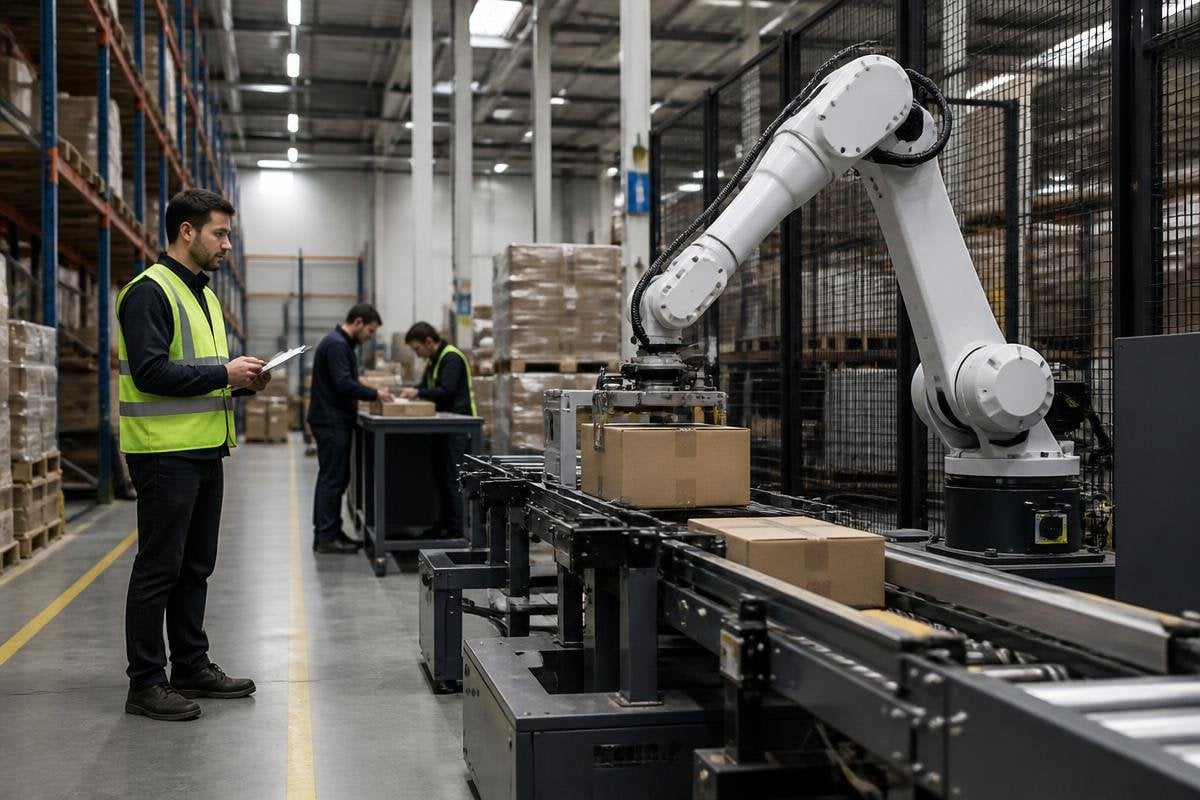
A robot can raise output without raising every worker’s pay. The result depends less on the arm, mobile base, or software than on who owns the system and who gets the gains.
- Robot owners may collect more income while routine jobs shrink.
- Workers can gain from new technical roles, but only if training and access reach them.
- A fair result needs rules around pay, data, safety, and ownership.
The owner gets the first benefit
A company that buys a robot pays the purchase price, software fees, power bill, repairs, and training costs. It also receives the income from the extra work the system can complete.
That income may fund new sites and higher pay. It may also reduce hiring, cut hours, or leave wages unchanged. The machine does not decide which result follows. Company policy and local labor conditions do.
The same pattern can affect small firms and large firms in different ways. A large company may spread robot costs across many sites. A small workshop may lack the cash, floor space, or staff needed to run the same system.
Jobs change before workers can change with them
Automation often targets tasks rather than whole jobs. A robot may move parts, inspect surfaces, sort packages, or load a machine while people still handle setup, repairs, quality checks, and customer problems.
That shift can raise demand for technicians and programmers. Those roles need time to learn, and training has a cost. A worker whose old task disappears may not be able to move into a new role before their income falls.
The timing matters. A company can install software in a day, while a worker may need months to learn electrical repair, robot programming, or safety procedures. If the company keeps the savings and the worker carries the training cost, the gap grows.
Data can add another layer
Many autonomous systems collect data about work speed, errors, routes, and machine use. Managers can use those records to find faults and plan staffing. They can also use them to set tighter targets or watch workers more closely.
That creates a question about control. The company may own the robot, but the data can describe a worker’s pace, choices, and mistakes. Clear limits should cover what gets collected, who can view it, how long it stays stored, and whether it affects pay or dismissal.
The effects reach beyond one workplace. Reports on robotics policy from Robot24.com can show how machine ownership shapes wages and job access before public rules are set.
Public policy decides who shares the gains
A fair result needs more than company promises. Policy can shape the split through worker training, wage rules, tax treatment, public purchasing, and safety checks.
Training works best when it connects to real openings. A short course with no access to tools or paid practice may leave a worker with a certificate and no route into the job. Public grants can help small firms buy equipment, but grants should include clear rules for wages, data use, and job quality.
Workers also need a voice before deployment. They can point out hazards that a test plan misses, explain which tasks depend on judgment, and question targets based on faulty sensor data. That input belongs before the robot reaches the work floor.
A practical check before deployment
Use these questions when a company, school, or public agency reviews a robot project:
- Name the owner of the robot, software, and work data.
- List the tasks that will change, then name the workers affected.
- Set paid training time before the old task ends.
- Record the purchase price, yearly software fees, power use, repairs, and staffing changes.
- Give workers a way to report unsafe behavior without losing pay.
- Set a review date for wages, hours, injuries, and job movement.
The strongest case for robotics is a shared gain: safer work, higher output, and new skills alongside fair pay. I’d reject any plan that counts robot output while leaving worker costs off the sheet.
The question for each deployment is plain: who owns the machine, who bears the change, and who receives the money it creates?
