


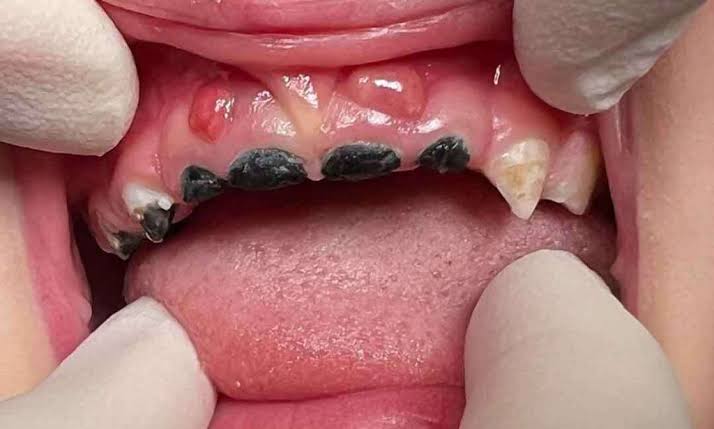
Many parents assume cavities in baby teeth are not a major concern because those teeth eventually fall out. However, untreated tooth decay in young children can cause pain, infections, difficulty eating, and problems that affect developing permanent teeth.
Early childhood cavities remain one of the most common oral health problems affecting young children. Fortunately, parents can take practical steps to protect their children’s teeth and prevent many dental problems before they develop.
For families searching for a pediatric dentist in Rancho Cucamonga, understanding how cavities develop in baby teeth and why early treatment matters can help children maintain healthier smiles throughout childhood.
Why Are Baby Teeth So Important?
Baby teeth, also called primary teeth, serve several essential functions beyond helping children smile.
They allow children to chew food, develop speech patterns, and maintain proper spacing for permanent teeth.
Most children begin developing their first baby teeth around six months of age. By approximately age three, many children have all 20 primary teeth.
These teeth remain important for years. Some baby molars do not fall out until children reach their preteen years.
When cavities damage baby teeth, children may experience discomfort that interferes with eating, sleeping, and daily activities.
Severe decay can also lead to infections or premature tooth loss.
A children’s dentist in Rancho Cucamonga can evaluate developing teeth and recommend preventive or restorative care when necessary.
What Causes Cavities in Baby Teeth?
Cavities develop when bacteria in the mouth produce acids that gradually damage tooth enamel.
These bacteria feed on sugars and other fermentable carbohydrates found in foods and beverages.
Repeated exposure to these acids can weaken enamel and eventually create cavities.
Several factors increase the likelihood of early childhood tooth decay.
Frequent Sugary Snacks and Drinks
Children who frequently consume juice, candy, cookies, sweetened beverages, and other sugary foods experience repeated acid attacks on their teeth.
The frequency of sugar exposure can be just as important as the total amount consumed.
Offering water between meals and limiting frequent sugary snacks can help reduce cavity risk.
Inconsistent Brushing Habits
Young children often lack the coordination necessary to brush their teeth effectively.
Parents should help children brush twice daily using fluoride toothpaste in an age-appropriate amount.
Children generally need brushing assistance or supervision until they can consistently clean their teeth thoroughly.
Sleeping With Bottles Containing Milk or Juice
Allowing children to fall asleep with bottles containing milk, formula, juice, or other beverages besides water can increase the risk of tooth decay.
Sugars may remain on the teeth for extended periods, especially when saliva production decreases during sleep.
Parents should avoid putting children to bed with bottles containing sugary or carbohydrate-containing drinks.
Delayed Dental Visits
Some families wait until their children experience tooth pain before scheduling their first dental appointment.
However, cavities can develop long before a child complains of discomfort.
The American Academy of Pediatric Dentistry recommends establishing a dental home when the first tooth appears and no later than a child’s first birthday.
Early Warning Signs of Cavities in Children
Tooth decay does not always cause noticeable pain during its earliest stages.
Parents should watch for changes in the appearance of their children’s teeth.
Common warning signs include:
- White or chalky spots near the gumline.
- Brown or dark discoloration on teeth.
- Visible holes or damaged tooth surfaces.
- Sensitivity to cold, hot, or sweet foods.
- Complaints of toothaches.
- Difficulty chewing certain foods.
- Swollen or irritated gums near a tooth.
White spots can sometimes indicate early enamel demineralization, which may be managed before a cavity develops.
However, discoloration does not always mean tooth decay is present.
A pediatric dentist should examine suspicious changes to determine the cause and recommend appropriate treatment.
Can Cavities in Baby Teeth Affect Permanent Teeth?
Yes. Untreated cavities in primary teeth can create complications that affect oral health and the development of permanent teeth.
Baby teeth help preserve the space needed for adult teeth to emerge.
When a severely decayed baby tooth requires early extraction, neighboring teeth may shift into the empty space.
This movement can reduce the room available for permanent teeth.
Additionally, infections involving primary teeth may affect nearby developing permanent teeth in certain circumstances.
Severe tooth decay can also interfere with a child’s ability to chew comfortably and maintain adequate nutrition.
Treating cavities promptly helps protect children’s comfort, oral function, and developing smiles.
How Pediatric Dentists Treat Cavities in Baby Teeth
Treatment depends on the severity of the decay, the affected tooth, and the child’s age and dental development.
A pediatric dentist will examine the tooth and recommend the most appropriate approach.
Fluoride Treatments for Early Tooth Decay
When decay has not progressed to a physical cavity, professional fluoride treatments may help strengthen weakened enamel.
Fluoride supports remineralization and can slow or reverse certain early enamel lesions.
Dentists may also recommend changes to brushing habits and dietary routines.
Tooth-Colored Dental Fillings
When a cavity requires restoration, pediatric dentists may use tooth-colored filling materials to repair the damaged tooth.
The dentist removes decayed tissue as necessary and restores the tooth to support normal chewing and function.
The choice of material depends on the tooth and the extent of the cavity.
Pediatric Dental Crowns
When a baby tooth has extensive damage, a dental crown may provide greater protection than a filling.
Stainless steel crowns are commonly used to restore heavily decayed primary molars.
Some practices also offer tooth-colored crown options for selected cases.
Pulp Therapy
If decay reaches the inner tissue of a baby tooth, the dentist may recommend pulp therapy to treat the affected tissue and preserve the tooth when possible.
Treatment depends on the condition of the pulp and whether the tooth can be restored successfully.
Tooth Extraction
When a tooth cannot be saved, extraction may become necessary.
If a baby tooth is removed significantly earlier than expected, the dentist may evaluate whether a space maintainer is appropriate.
How to Prevent Cavities in Toddlers and Young Children
Preventing childhood tooth decay starts with consistent oral hygiene and healthy daily habits.
Parents can reduce cavity risk by following several recommendations.
Start Brushing When the First Tooth Appears
Use a soft-bristled toothbrush and fluoride toothpaste as soon as the first tooth erupts.
For children younger than three, use a smear of toothpaste approximately the size of a grain of rice.
For children ages three through six, use a pea-sized amount.
Supervise brushing to minimize swallowing.
Make Water the Main Beverage Between Meals
Water helps rinse away food particles and supports saliva’s natural protective functions.
Fluoridated tap water can also provide additional cavity-prevention benefits.
Limit Frequent Snacking
Offer balanced meals and scheduled snacks instead of allowing children to graze throughout the day.
Reducing frequent exposure to sugary foods gives teeth more time to recover between meals.
Schedule Regular Pediatric Dental Visits
Routine dental examinations help dentists identify early changes in tooth enamel and assess individual cavity risk.
Your child’s dentist can recommend an appropriate recall schedule based on oral health needs.
Are Baby Teeth Cavities Common in Preschool Children?
Tooth decay can begin shortly after the first teeth erupt.
The condition known as early childhood caries refers to tooth decay affecting primary teeth in children younger than six.
Children with frequent sugar exposure, inadequate fluoride, or limited access to preventive dental care may face a higher risk.
Some children also have medical, developmental, or behavioral factors that make oral hygiene more challenging.
Because cavity risk varies, pediatric dentists develop individualized prevention plans rather than recommending identical care for every child.
Choosing a Pediatric Dentist in Rancho Cucamonga, CA
Parents searching for pediatric dental care in Rancho Cucamonga should consider practices that emphasize early prevention, parent education, and timely treatment.
A pediatric dentist can assess cavity risk, examine developing teeth, recommend fluoride treatments, and restore damaged teeth when necessary.
Families in Rancho Cucamonga, Alta Loma, Etiwanda, Victoria Gardens, and surrounding communities can benefit from establishing regular dental care while their children are young.
Parents should feel comfortable discussing brushing techniques, nutrition, dental treatment options, and any concerns about their child’s oral health.
An experienced pediatric dental team can help families build realistic preventive routines that fit their children’s needs.
Protect Your Child’s Baby Teeth for a Healthier Future
Although baby teeth eventually fall out, they play an essential role in children’s growth, comfort, and oral development.
Ignoring cavities in primary teeth can lead to preventable discomfort and more complicated dental problems.
Fortunately, regular brushing with fluoride toothpaste, healthy dietary habits, and routine pediatric dental visits can significantly reduce the risk of childhood tooth decay.
If you’re looking for a pediatric dentist in Rancho Cucamonga, CA, schedule a dental examination to evaluate your child’s oral health and discuss appropriate preventive care.
Protecting baby teeth today helps establish the foundation for healthier permanent teeth and a lifetime of confident smiles.
