


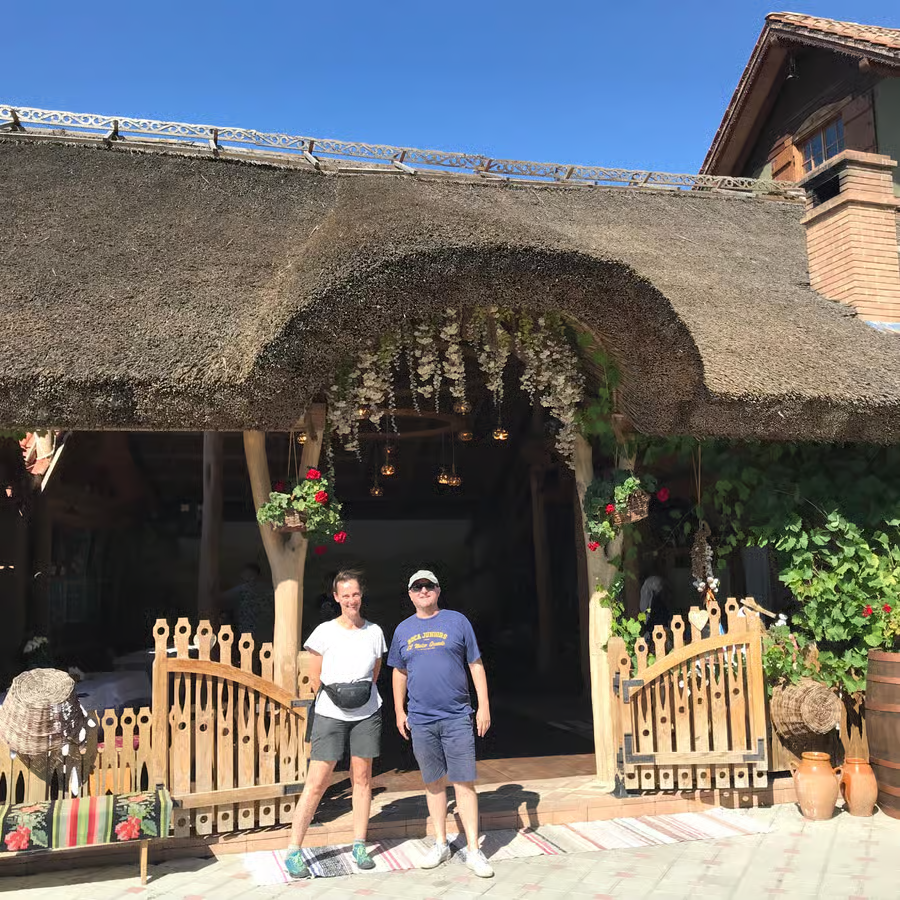
Within Moldova’s borders lies a fascinating autonomous region that most travelers have never heard of, yet offers cultural experiences unlike anywhere else in Europe. To Visit Gagauzia is to discover a unique Turkic Christian community that has maintained its distinct identity through centuries of geopolitical upheaval. This autonomous territorial unit in southern Moldova presents travelers with an opportunity to explore a culture where Orthodox Christianity blends with Turkic heritage, where Cyrillic signs display a language unrelated to Romanian or Russian, and where traditions reflect Central Asian origins transplanted to European soil. This comprehensive guide reveals everything you need to know about visiting Gagauzia, from its remarkable history to practical travel information for exploring this genuinely off-the-beaten-path destination.
Understanding Gagauzia: A Unique Cultural Identity
Before you visit Gagauzia, understanding the region’s distinctive character proves essential. The Gagauz people are a Turkic ethnic group who practice Orthodox Christianity—a rare combination that immediately distinguishes them from other Turkic populations who are predominantly Muslim. Their origins remain debated by historians, with theories suggesting descent from Christianized Cumans, Pechenegs, Seljuk Turks, or Bulgarian Turkic tribes. Regardless of precise origins, the Gagauz established themselves in southern Bessarabia during the eighteenth and nineteenth centuries, creating concentrated communities that have preserved their language and customs.
Following Moldova’s independence from the Soviet Union, tensions arose between Gagauzia and the central government in Chișinău regarding autonomy, language rights, and political orientation. A brief confrontation in the early 1990s was resolved peacefully, resulting in Gagauzia receiving autonomous status within Moldova in 1994. Today, Gagauziya (as locals call it) maintains its own legislative assembly, executive authority, and cultural institutions while remaining part of Moldova—a delicate balance that has largely succeeded.
The autonomous region encompasses approximately 1,800 square kilometers in Moldova’s southern steppes, with a population of roughly 160,000 people. Three main towns—Comrat (the capital), Ceadîr-Lunga, and Vulcănești—serve as cultural and administrative centers. The landscape consists of gently rolling agricultural land planted with vineyards, sunflowers, and grain crops, creating picturesque rural scenery that changes dramatically with seasons.
Comrat: The Capital Experience
When you visit Gagauzia, Comrat serves as the logical starting point and regional hub. This town of approximately 25,000 residents functions as the administrative capital and cultural center. The journey from Chișinău takes roughly two hours by car through countryside that gradually transitions from Romanian linguistic dominance to Gagauz cultural landscapes marked by distinctive architecture, religious buildings, and bilingual signage.
Comrat’s central square features the Gagauz National History and Ethnography Museum, an essential stop for anyone seeking to understand the region. Exhibits showcase traditional costumes with intricate embroidery reflecting Turkic design aesthetics, agricultural implements revealing rural lifestyle continuity, religious artifacts demonstrating the unique Orthodox-Turkic synthesis, and historical documents charting the Gagauz journey from Central Asian steppes to Moldovan plains. English information remains limited, so hiring a guide or using translation apps enhances comprehension significantly.
The Comrat Regional Theatre presents performances in Gagauz language, offering rare opportunities to experience this Turkic tongue in artistic contexts. While most productions assume local audience familiarity with cultural references, the theatrical experience itself provides insights into contemporary Gagauz identity expression. The modest building reflects Soviet-era architecture, but the performances inside pulse with distinctive cultural energy.
Churches throughout Comrat display architectural styles blending Orthodox tradition with local aesthetic preferences. The Cathedral of Saint John the Baptist, one of the largest, features traditional Orthodox domes and iconography but incorporates design elements reflecting Gagauz sensibilities. Services conducted in Church Slavonic, Gagauz, and Russian attract faithful congregations that maintain vibrant religious traditions.
Cultural Traditions and Festivals
To truly visit Gagauzia means timing your journey to coincide with traditional celebrations that showcase cultural heritage most vividly. Hederlez, celebrated on May 6th, represents one of the most important Gagauz holidays. This spring festival of Turkic origin involves outdoor celebrations, traditional foods, music, dance, and rituals welcoming the warm season. Communities gather for feasts featuring lamb dishes, ritual bread, and abundant wine, while traditional musicians perform folk songs in Gagauz language accompanied by instruments that blend Balkan and Turkic musical traditions.
Kasım, celebrated in November, marks the end of harvest season with thanksgiving ceremonies, communal meals, and cultural performances. These celebrations maintain social cohesion and transmit traditions to younger generations increasingly influenced by globalized media and migration to larger cities. Visitors fortunate enough to attend these festivals gain privileged access to authentic cultural expressions that tourism hasn’t yet commodified.
Traditional Gagauz cuisine reflects the synthesis of Turkic heritage and local agricultural abundance. Meat features prominently, particularly lamb prepared in various styles from grilled kebabs to slow-cooked stews. Bread holds sacred significance, with elaborate preparation rituals surrounding special occasion breads decorated with symbolic patterns. Pastries filled with cheese, meat, or pumpkin appear at family gatherings and holidays. Wine accompanies most meals, as viticulture thrives in Gagauzia’s temperate climate.
Wine Tourism in Gagauzia
When you visit Gagauzia, exploring the region’s wine industry provides both sensory pleasure and economic insight. Several wineries operate in the autonomous region, producing quality wines from indigenous and international grape varieties grown in local vineyards. These establishments range from small family operations to larger commercial ventures, most welcoming visitors for tours and tastings by advance arrangement.
The Comrat Winery, one of the region’s larger producers, offers organized tours showcasing production facilities, aging cellars, and bottling operations. Tastings typically include multiple wines accompanied by traditional foods, with staff explaining terroir characteristics and winemaking philosophies. Unlike the famous underground wine cities near Chișinău, Gagauz wineries operate in more modest facilities that feel personal and accessible rather than monumental.
Vineyard landscapes define much of Gagauzia’s agricultural character, with endless rows stretching across rolling terrain. Harvest season in September and October transforms the region into a hive of activity as workers pick grapes and wineries process the incoming fruit. Some operations allow visitor participation in harvest activities, providing hands-on experiences that create lasting memories and deeper appreciation for viticulture’s physical demands.
Village Life and Rural Tourism
The authentic Gagauz experience emerges most vividly when you visit Gagauzia’s villages, where traditional lifestyles persist relatively unchanged. Rural communities maintain agricultural economies centered on viticulture, grain cultivation, and livestock raising. Extended families often live in compounds where multiple generations share space and responsibilities, preserving social structures that have eroded in urbanized areas.
Some villages now offer agritourism programs where guests stay with families, participate in farm activities, learn traditional crafts, and share meals featuring home-grown ingredients prepared according to recipes passed through generations. These experiences require advance arrangements, often facilitated through tourism offices or specialized agencies, but they deliver unparalleled authenticity. Guests might help with animal care, harvest vegetables, observe traditional bread baking in outdoor ovens, or simply sit with hosts sharing stories across language barriers bridged by translation technology and universal gestures.
Village architecture reflects practical needs adapted to local climate and available materials. Traditional homes feature thick walls providing insulation, courtyards for outdoor living during warm months, and storage spaces for agricultural products. Newer construction sometimes incorporates traditional design elements while adding modern conveniences, creating interesting architectural dialogues between past and present.
Language and Communication
The Gagauz language represents one of the most distinctive aspects when you visit Gagauzia. This Turkic language bears some similarity to Turkish, Azerbaijani, and Turkmen but has evolved independently with influences from Russian, Romanian, and Bulgarian. Most Gagauz people are trilingual, speaking Gagauz at home, Russian for inter-ethnic communication, and often some Romanian. English proficiency remains limited outside younger urban demographics.
For visitors, this linguistic complexity creates both challenges and fascinations. Street signs in Comrat display Cyrillic script spelling Turkic words—a visual manifestation of the region’s unique identity. Attempting basic Turkish phrases sometimes aids communication with older Gagauz speakers, though significant differences exist. Translation applications prove invaluable, though internet connectivity can be spotty in rural areas.
The language preservation efforts include schools teaching in Gagauz, cultural organizations promoting literature and arts, and media outlets broadcasting in the native tongue. Observing these preservation initiatives provides insights into how small ethnic groups maintain identity in an era of globalization and cultural homogenization.
Practical Information for Visitors
When planning to visit Gagauzia, several practical considerations ensure smoother experiences. Transportation from Chișinău involves either private vehicles, hired taxis, or marshrutkas (minibuses) that depart from the central bus station. The journey takes approximately two hours on generally decent roads, though rural routes may suffer from poor maintenance. Rental cars offer maximum flexibility for exploring multiple villages and attractions at your own pace.
Accommodation options remain limited compared to major tourist destinations. Comrat contains several modest hotels offering basic but clean rooms at very affordable prices. Guesthouses and homestays provide more authentic experiences with personal hospitality, though facilities may be simpler. Advance booking proves advisable, especially during festivals or harvest season when accommodation fills quickly.
Tourist infrastructure remains developing in Gagauzia. Information centers are scarce, English-language materials limited, and standard tourism services minimal. This underdevelopment, while presenting logistical challenges, ensures authenticity—you’re visiting a living culture rather than a preserved museum or commercialized attraction. Patience, flexibility, and good humor prove essential for navigating the occasional confusion or miscommunication.
Safety concerns are minimal when you visit Gagauzia. The region maintains low crime rates, and residents exhibit warm hospitality toward curious visitors. The greater challenges involve practical matters like finding specific addresses without clear signage, navigating language barriers, or adapting to different service standards rather than security threats.
Cultural Sensitivity and Etiquette
Respectful behavior enhances experiences when you Visit Gagauzia. Despite Turkic heritage, the Gagauz are devoutly Orthodox Christian, so religious sites require appropriate dress and behavior. Women should cover shoulders and avoid shorts or short skirts in churches, while men should remove hats. Photography inside churches often requires permission.
Traditional Gagauz culture emphasizes hospitality, and refusing offered food or drink can cause offense. When visiting homes, bringing small gifts like flowers, chocolates, or wine demonstrates appreciation. Meals often involve toasts, and participating in these rituals—even if you don’t drink alcohol—shows respect for customs.
Political discussions require sensitivity. The Gagauz community maintains complex relationships with both Moldova and Russia, with divided opinions about integration with Romania, continued autonomy, or closer Russian ties. Visitors should avoid strong political statements and listen more than opine on these sensitive topics.
Why Visit Gagauzia
In an era when authentic cultural experiences grow increasingly rare, visiting Gagauzia offers encounters with a genuinely unique community that tourism hasn’t homogenized. The Turkic Christian synthesis, the preservation of ancient language and customs, the agricultural lifestyle maintaining traditional patterns, and the warmth of people proud to share their heritage create travel experiences that feel genuinely special. This isn’t a region with spectacular monuments or picture-perfect scenery designed for Instagram. Instead, Gagauzia rewards patient, curious travelers with subtle insights into identity, resilience, and cultural survival.
Conclusion
To visit Gagauzia is to venture beyond conventional tourism into territory where cultural anthropology, living history, and human connection intersect. This autonomous region offers no famous landmarks or luxury resorts, no efficient tourist infrastructure or multilingual signage. What it provides instead is authenticity—the opportunity to witness how a small Turkic Christian community maintains distinctive identity within a European nation, how traditions adapt while persisting, and how hospitality still means genuine human connection rather than commercial transaction. Visiting Gagauzia demands flexibility, cultural sensitivity, and willingness to embrace uncertainty. In return, it delivers travel experiences that enlighten and inspire, reminding us that Europe’s diversity extends far beyond the familiar narratives into fascinating corners where unique peoples preserve remarkable heritages. For travelers seeking roads genuinely less traveled and cultures authentically their own, Gagauzia awaits as one of Eastern Europe’s most extraordinary secrets.
