


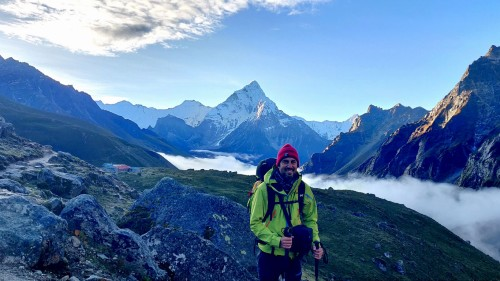
The Everest Three Passes Trek is widely regarded as one of Nepal’s most demanding yet breathtaking trekking adventures. This trek takes you through three of the highest passes in the Everest region—Renjo La (5,360m), Cho La (5,420m), and Kongma La (5,535m)—while offering unparalleled views of Mount Everest, Lhotse, Nuptse, Ama Dablam, and other iconic peaks.
Designed for experienced trekkers, the Everest Three Passes Trek combines challenging high-altitude trekking with rich Sherpa culture, remote alpine landscapes, and the thrill of exploring lesser-known trails in the Everest region. It is ideal for those who have already completed standard treks, such as the Everest Base Camp, and are seeking a more rewarding, adventurous experience.
Overview of the Everest Three Passes Trek
The trek begins with a scenic flight from Kathmandu to Lukla, followed by a journey through the classic Everest Base Camp trail: Phakding, Namche Bazaar, Tengboche, Dingboche, and Lobuche. After reaching Gorakshep and the legendary Everest Base Camp, trekkers cross the three high Himalayan passes:
- Renjo La Pass (5,360m) – A moderately challenging pass connecting the Gokyo Valley to the Everest Base Camp trail, offering spectacular views of Cho Oyu and Makalu.
- Cho La Pass (5,420m) – A glacier pass linking Gokyo to Lobuche, known for its icy terrain and dramatic surroundings.
- Kongma La Pass (5,535m) – The highest pass on the trek, connecting Chhukung to Lobuche, and providing panoramic Himalayan vistas including Everest, Ama Dablam, and Lhotse.
Crossing these passes allows trekkers to experience Everest from multiple perspectives, witness untouched glaciers, and explore remote villages rarely visited by ordinary tourists.
Why Choose the Everest Three Passes Trek?
1. High-Altitude Adventure
This trek is perfect for trekkers seeking a physically and mentally demanding journey. The high passes, rugged trails, and steep ascents push endurance levels while rewarding trekkers with incredible Himalayan vistas.
2. Stunning Scenery and Landscapes
From lush rhododendron forests and terraced villages to glacial moraines and alpine lakes like Gokyo, the trek provides a diverse range of landscapes. Every day offers new scenery, making it a photographer’s paradise.
3. Cultural Immersion
The trail passes through Sherpa villages and Buddhist monasteries, allowing trekkers to witness traditional lifestyles, local festivals, prayer rituals, and the spiritual ambiance of the Himalayas. Key cultural stops include Namche Bazaar, Tengboche Monastery, Pangboche, and Chhukung.
4. Less Crowded Trails
While Everest Base Camp trails are often crowded during peak season, the Three Passes Trek offers relative solitude. Crossing high passes and exploring remote valleys ensures a quieter, more immersive experience in nature.
5. Multiple Perspectives of Everest
The trek provides unique vantage points of Everest and surrounding peaks. Kala Patthar, Gokyo Ri, and high passes such as Kongma La offer panoramic views that are rare on other treks, giving trekkers a sense of accomplishment and awe.
Typical Itinerary
The Everest Three Passes Trek usually takes 18–21 days:
- Day 1–2: Kathmandu to Lukla and trek to Phakding
- Day 3–5: Namche Bazaar and Tengboche Monastery
- Day 6–7: Dingboche and Lobuche
- Day 8–9: Everest Base Camp and Kala Patthar
- Day 10–12: Gokyo Lakes and Renjo La Pass
- Day 13–15: Cho La Pass and Chhukung
- Day 16–18: Kongma La Pass to Lobuche
- Day 19–21: Return to Lukla and fly back to Kathmandu
This itinerary includes adequate acclimatization days to reduce altitude sickness risk while providing time to explore side valleys, glacial lakes, and high passes.
Difficulty Level and Fitness
The Everest Three Passes Trek is strenuous to very challenging. Trekkers face long days, steep ascents, icy passes, and high altitudes. Fitness, stamina, and previous trekking experience are highly recommended.
Daily trekking hours range from 5 to 8 hours, with some days involving glacier travel or steep climbs. Proper acclimatization, mental focus, and trekking preparation are essential for a safe and enjoyable experience.
Best Time to Trek
The best seasons are spring (March–May) and autumn (September–November), when the weather is stable and the skies are clear. During these months, mountain views are spectacular, and the temperature is comfortable for trekking.
Winter trekking is possible for experienced trekkers but comes with extreme cold and snow. Monsoon season (June–August) is generally not recommended due to heavy rainfall, slippery trails, and risk of landslides.
Accommodation and Meals
Accommodation is mainly in teahouses and lodges, offering twin-bed rooms with shared bathrooms. Higher-altitude lodges have basic facilities, and trekkers should expect limited heating and cold showers in some locations.
Meals include traditional Nepali dishes like Dal Bhat, momos, noodles, and soups. Carrying energy bars and snacks is recommended for long trekking days, particularly when crossing high passes.
Trekking Permits
Trekkers must secure:
- Sagarmatha National Park Entry Permit
- Khumbu Pasang Lhamu Rural Municipality Permit
- TIMS (Trekkers’ Information Management System) Card
Hiring an experienced guide is strongly recommended for navigating glacier passes and ensuring safety throughout the trek.
Cost of the Everest Three Passes Trek
This trek is more expensive than a standard Everest Base Camp trek due to its duration, difficulty, and high-altitude logistics. Costs typically range from USD 2,500 to USD 4,500 per person for a guided trek. This includes permits, guide and porter fees, accommodation, meals, and domestic flights to and from Lukla.
Who Should Attempt This Trek?
The Everest Three Passes Trek is ideal for:
- Experienced high-altitude trekkers
- Adventure seekers looking for a physically demanding Himalayan challenge
- Nature photographers and mountaineering enthusiasts
- Trekkers who have completed Base Camp treks and want a more immersive experience
Responsible Trekking Practices
Trekkers should minimize environmental impact by avoiding plastic waste, respecting local culture, and supporting community lodges. Glacier passes and alpine regions are sensitive ecosystems, making responsible trekking essential.
Conclusion
The Everest Three Passes Trek is an epic Himalayan adventure that combines physical challenge, high-altitude trekking, cultural immersion, and unparalleled mountain views. Crossing Renjo La, Cho La, and Kongma La offers unique perspectives of Everest and surrounding peaks while exploring remote valleys and glacial landscapes.
For experienced trekkers seeking a demanding, rewarding, and unforgettable journey into the heart of the Himalayas, the Everest Three Passes Trek is one of Nepal’s ultimate adventures—an experience that blends adventure, culture, and natural splendor in a way few treks can match.
