


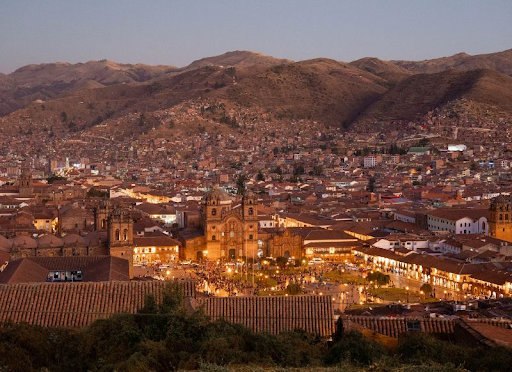
Cusco is one of South America’s most fascinating cities, renowned for its rich history, breathtaking landscapes, and vibrant living culture. Once the capital of the mighty Inca Empire, Cusco today stands as a unique blend of ancient traditions and colonial influence. Nestled high in the Peruvian Andes at over 3,400 meters above sea level, the city serves as the main gateway to Machu Picchu and the Sacred Valley, while also being a destination worthy of exploration in its own right. For travelers seeking history, culture, and unforgettable experiences, Cusco offers an unparalleled journey through time.
The Historical Significance of Cusco
Cusco was the political, religious, and administrative center of the Inca Empire, known as Tawantinsuyo. According to Inca mythology, the city was founded by Manco Cápac and Mama Ocllo, sent by the sun god Inti to establish a great civilization. The Incas designed Cusco in the shape of a puma, a sacred animal symbolizing power and protection.
When the Spanish arrived in the 16th century, they built colonial churches and mansions directly on top of Inca foundations. This fusion of cultures is still visible today, particularly in the city’s architecture. Massive Inca stone walls remain intact beneath elegant colonial buildings, creating a striking contrast that defines Cusco’s historic center and has earned it recognition as a UNESCO World Heritage Site.
Cusco’s Architecture: A Living Museum
Walking through Cusco feels like stepping into an open-air museum. The precision of Inca stonework is evident in sites such as Qorikancha, once the most important temple dedicated to the sun. The perfectly cut stones fit together without mortar, demonstrating advanced engineering techniques that continue to impress historians and architects.
Spanish colonial structures, including cathedrals and monasteries, add another layer of historical depth. Cusco Cathedral, located on the main square, houses religious art from the Cusco School of Painting, a unique artistic movement that blends European techniques with Andean symbolism. Together, these architectural styles tell the story of conquest, adaptation, and cultural resilience.
The Cultural Soul of Cusco
Cusco is not only a historical city; it is also a living cultural center. Traditional clothing, indigenous languages such as Quechua, and ancient customs remain deeply rooted in daily life. Festivals play a major role in preserving this heritage. Inti Raymi, the Festival of the Sun, is one of the most important celebrations, reenacting an ancient Inca ceremony every June and attracting visitors from around the world.
Music, dance, and craftsmanship are also central to Cusco’s identity. Local markets showcase handmade textiles, ceramics, and jewelry, reflecting techniques passed down through generations. These cultural expressions are not staged performances but genuine aspects of everyday life, making Cusco an authentic and immersive destination.
Cusco as the Gateway to the Sacred Valley
Cusco’s strategic location makes it the ideal base for exploring the Sacred Valley of the Incas. This fertile region is home to remarkable archaeological sites such as Pisac, Ollantaytambo, and Moray. The Sacred Valley also offers stunning landscapes, traditional villages, and agricultural terraces that continue to be used today.
Many travelers spend several days in Cusco acclimatizing to the altitude before venturing into the Sacred Valley or continuing on to Machu Picchu. This gradual approach allows visitors to fully enjoy the region while reducing the effects of altitude sickness.
Gastronomy in Cusco: Tradition Meets Innovation
Cusco has emerged as a culinary destination where traditional Andean ingredients meet modern gastronomy. Local dishes often feature native products such as quinoa, corn, potatoes, and alpaca meat. These ingredients have sustained Andean communities for centuries and remain central to regional cuisine.
In recent years, Cusco has seen a rise in innovative restaurants that reinterpret traditional recipes using contemporary techniques. Visitors can enjoy everything from street food at local markets to fine dining experiences that highlight Peru’s reputation as a global culinary leader.
Nature and Outdoor Experiences Around Cusco
Surrounded by mountains and valleys, Cusco is a paradise for nature lovers and outdoor enthusiasts. The region offers a wide range of activities, including hiking, cycling, and horseback riding. Popular routes such as the Inca Trail, Salkantay Trek, and Ausangate Trek provide access to remote landscapes and ancient ruins.
For those seeking less strenuous activities, Cusco’s surrounding hills offer panoramic viewpoints and short walks that reveal stunning views of the city and nearby mountains. These natural settings contribute to the city’s spiritual atmosphere and sense of harmony with the environment.
Spiritual and Mystical Traditions in Cusco
Cusco has long been considered a spiritual center. The Incas believed the city was connected to sacred energy lines known as ceques, linking temples, mountains, and shrines. Many travelers today visit Cusco seeking spiritual experiences, meditation retreats, or a deeper connection to Andean cosmology.
Apus, or sacred mountains, continue to be revered by local communities. Rituals honoring Pachamama, or Mother Earth, are still practiced, reflecting a worldview centered on balance and respect for nature. This spiritual dimension adds another layer of meaning to a visit to Cusco.
Modern Cusco: A Dynamic and Welcoming City
While deeply rooted in history, Cusco is also a modern and dynamic city. Cafés, hotels, museums, and cultural centers cater to international visitors while maintaining local character. The city’s vibrant atmosphere is fueled by a mix of residents, students, artists, and travelers from around the globe.
Despite its popularity, Cusco has managed to preserve its authenticity. Efforts to protect historical sites and promote sustainable tourism ensure that future generations can continue to experience the city’s unique heritage.
Best Time to Visit Cusco
Cusco can be visited year-round, but the dry season from May to September is generally considered the best time. During these months, weather conditions are more stable, making sightseeing and outdoor activities more enjoyable. The rainy season, from November to March, brings fewer tourists and lush green landscapes, though rainfall can affect travel plans.
Regardless of the season, visitors should plan time to acclimatize to the altitude and adjust their pace accordingly.
Conclusion
Cusco is far more than a stop on the way to Machu Picchu; it is a destination that embodies the history, culture, and spirit of Peru. From its Inca foundations and colonial architecture to its living traditions and stunning natural surroundings, Cusco offers a rich and meaningful travel experience. Whether exploring ancient ruins, engaging with local culture, or simply walking its historic streets, visitors discover a city where the past and present coexist in remarkable harmony. For anyone seeking to understand the soul of the Andes, Cusco stands as an unforgettable and essential destination.
